

New Zealand's Largest Renewables Project: 622MW Waiinu Hybrid Enters Fast-Track Consent
New Zealand's state-owned energy company Meridian Energy has confirmed that its Waiinu Energy Park—a 622MW wind-solar-BESS hybrid development on the North Island's west coast—has been referred by the Minister for Infrastructure for consideration under the country's Fast-track Approvals Act, marking entry into an accelerated consenting pathway that bypasses standard resource consent processes. If approved and receiving a final investment decision from Meridian's board, the New Zealand renewable energy project would become one of the largest single renewable energy developments in the nation's history, producing approximately 1,600GWh of electricity annually.
The Technical Blueprint: 56 Wind Turbines, 230MW Solar, and Grid-Scale BESS
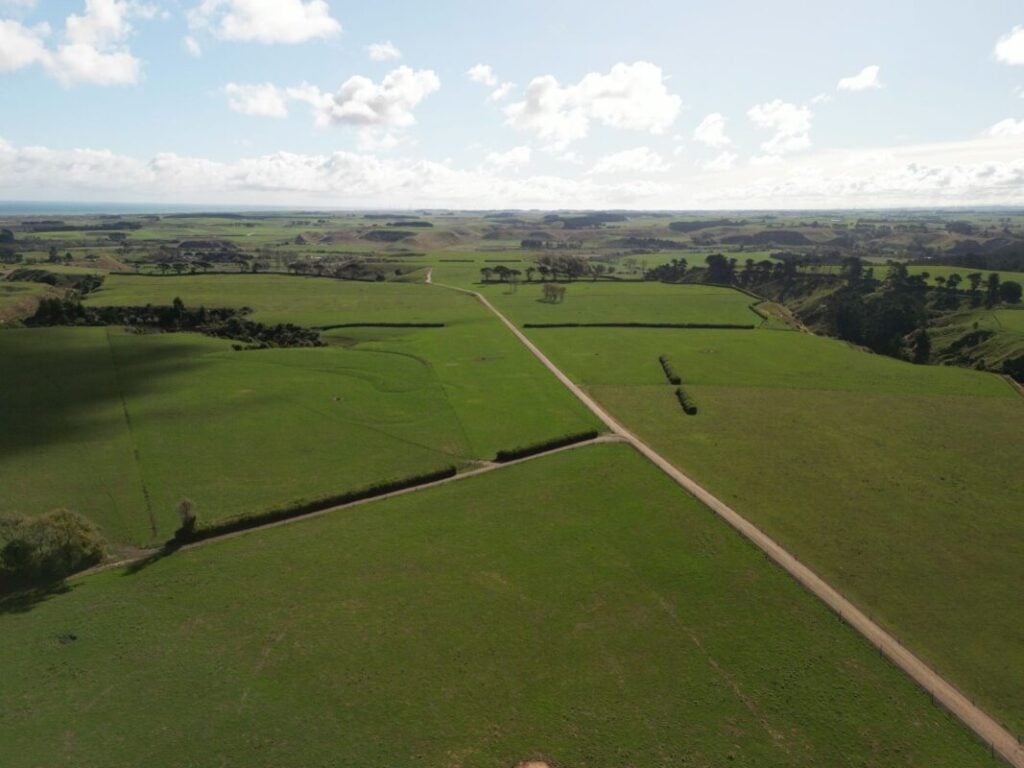
Located northwest of Whanganui between Waitōtara and Waiinu Beach, the Waiinu Energy Park proposes 56 wind turbines delivering 392MW of capacity, a 230MW solar photovoltaic plant, and a grid-scale battery energy storage system (BESS) with undisclosed capacity. The total 622MW generation portfolio would connect to the grid via a proposed connection site north of State Highway 3. The site was selected for its strong and consistent wind resource, proximity to existing transmission infrastructure, and relatively flat terrain that reduces construction complexity—a combination of factors that makes the economics of this New Zealand renewable energy project particularly compelling.
Fast-Track Approvals Act: How New Zealand Accelerates Infrastructure
New Zealand's Fast-track Approvals Act, which came into force in late 2024, routes large-scale infrastructure applications through an expert panel process rather than the standard Environment Court pathway, dramatically reducing consenting time and cost while maintaining environmental assessment and public consultation requirements. Meridian CEO Mike Roan emphasized that the referral reflects extensive upfront preparation: "Fast-track requires a lot of work to be done up front, so we've taken time to ensure the application is as detailed and well thought-out as possible, and that it picks up on feedback from iwi and hapū, and the local community." The company plans to lodge its substantive consent application in late 2026, with an expert panel assessment to follow before any consent decision. For renewable energy developers navigating complex permitting environments, explore our collection of BESS solutions designed for streamlined project integration.
Building on Ruakākā: New Zealand's First Grid-Scale BESS
Waiinu builds directly on Meridian's experience with New Zealand's first grid-scale battery storage system—the 100MW/200MWh Ruakākā BESS near Whangārei, supplied by Saft using LFP chemistry. That project, already in operation, provides fast-response frequency control services and supports renewable energy integration on New Zealand's national grid. The Waiinu BESS component would extend that capability to a substantially larger scale on the North Island's west coast, creating a hybrid generation-storage portfolio that can deliver firm, dispatchable power even during periods of low wind and solar output. Meridian has also advanced a separate fast-track application to ease access restrictions on 545GWh of contingent hydro storage at Lake Pūkaki—a complementary flexibility measure that, combined with Waiinu, positions the company for a dominant role in New Zealand's decarbonized electricity future.
Economic Impact: 3,000+ Jobs Across the Construction Period
If consented and approved by Meridian's board, construction of the New Zealand renewable energy project could commence in late 2028, with peak employment of 300-350 workers on site and potentially more than 3,000 people in total across the construction period. Roan noted that projects at this scale depend on "the financial strength of vertically integrated electricity companies," underscoring how Meridian's strong balance sheet—built on its core hydro portfolio—enables the company to pursue development opportunities that smaller independent power producers could not finance. This dynamic, repeated across global markets, reinforces why major utilities with diversified generation portfolios are increasingly dominating the pipeline for gigawatt-scale hybrid renewable projects.
Iwi Consultation and Community Engagement
Meridian has emphasized that its application incorporates extensive feedback from local Māori iwi and hapū, as well as the broader Whanganui-region community. The site sits on farmland set back more than half a kilometer from the coastline, a siting choice that reflects both engineering pragmatism—proximity to transmission while avoiding coastal erosion risks—and community considerations. For international developers studying New Zealand's renewable energy consenting model, the Waiinu process demonstrates how accelerated pathways can coexist with genuine indigenous consultation when upfront engagement is prioritized. shop now to discover how AGAIC POWER's storage systems can strengthen your hybrid project's business case.
A Blueprint for Island-Nation Decarbonization
Waiinu's entry into the fast-track pathway marks more than a single project milestone—it provides a blueprint for how island nations with isolated grids can accelerate their transition to renewable-dominant electricity systems. By combining wind (strong and consistent in coastal New Zealand), solar (complementary diurnal profile), and battery storage (firming and frequency services), the hybrid model addresses the fundamental challenge of variable renewable integration on a grid with no interconnector to fall back on. As Meridian's Ruakākā BESS has already demonstrated at smaller scale, and as Waiinu aims to prove at utility scale, the technology exists today to build a 100% renewable electricity system. What remains is the regulatory will—and Waiinu's fast-track referral suggests that New Zealand has it.


