Neoen Lands 20-Year Contract for 200MW Battery in Canada: 8-Hour BESS Goes Indigenous
French independent power producer Neoen has just secured a landmark 20-year capacity contract in Ontario, Canada, for a 200 MW/1,600 MWh battery storage project that will deliver eight hours of continuous discharge. Awarded under the IESO's Long-Term 2 Capacity Services procurement, the deal pushes Neoen's secured Ontario portfolio to 918 MW and signals growing confidence in long-duration battery energy storage systems across North America. Explore our collection of advanced energy storage solutions designed for grid-scale deployments.
The Project: 200 MW of Eight-Hour Storage in Northwestern Ontario
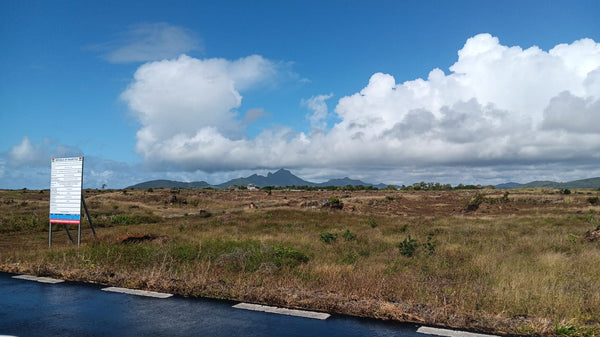
Located roughly 15 kilometers west of Dryden in northwestern Ontario, the facility will be a 200 MW/1,600 MWh battery energy storage system engineered to absorb electricity during low-demand periods and discharge it when the grid needs it most. Construction is scheduled to begin in 2028, with commercial operations targeted for 2030—a timeline that reflects the meticulous planning behind utility-scale storage projects.
The eight-hour duration is particularly significant. As solar penetration increases across Ontario's electricity mix, longer-duration storage becomes essential for shifting daytime generation into evening peak demand windows. This project directly addresses that need, providing reliable capacity when traditional peaking plants would otherwise be required.
First Nations Partnership: A New Model for Clean Energy Development
What sets this project apart is its ownership structure. The battery facility will be jointly owned by Neoen and Eagle Lake First Nation, an Ojibwe Indigenous community. This marks Eagle Lake First Nation's first utility-scale renewable energy project and is expected to generate local employment and long-term investment for the community.
Neoen has built a strong track record of Indigenous partnerships across Canada. The company already co-owns a 253 MWdc solar project with Garden River First Nation and a 65 MWdc solar project with Matachewan First Nation. The Dryden battery project extends this collaborative model into energy storage, potentially creating a template for how large-scale BESS projects can deliver both grid value and community benefits.
Economic and Social Impact
For Indigenous communities, equity ownership in energy infrastructure represents a meaningful shift from being passive hosts to active participants. Revenue streams from capacity contracts provide predictable, multi-decade income that can fund community priorities such as education, healthcare, and cultural preservation. This model aligns with growing ESG expectations among institutional investors and government procurement agencies alike.
Neoen's Expanding North American Footprint
With this latest award, Neoen's secured portfolio in Ontario reaches 918 MW, while its total Canadian portfolio climbs to 1,168 MW. The company also holds a 400 MW four-hour battery storage project on Saugeen Ojibway Nation territory and operates the 93 MW Fox Coulée solar plant in Alberta. A 157 MW solar project in Saskatchewan—developed in partnership with the Anishinabek Power Alliance—is currently under construction.
This diversified portfolio spanning solar, battery storage, and multiple provinces demonstrates how independent power producers are evolving from single-technology developers into integrated clean energy platforms. Visit our store to discover how AGAIC POWER supports utility-scale energy storage deployments worldwide.
What This Means for the North American Storage Market
The Ontario Long-Term 2 procurement represents one of the most significant capacity solicitations in North America, and Neoen's success underscores several key trends. First, eight-hour storage is becoming economically viable at scale. Second, Indigenous co-ownership is transitioning from a niche approach to a mainstream project finance requirement. Third, European developers like Neoen are successfully competing in North American markets, bringing global expertise to local challenges.
As the 2030 commercial operation date approaches, this project will serve as a critical case study for how long-duration battery storage, Indigenous partnership, and cross-border development can converge to deliver reliable, equitable, and economically sound clean energy infrastructure.