Australia Needs 40GW of Energy Storage by 2050: AEMO's $106B Grid Blueprint Revealed
The Australian Energy Market Operator (AEMO) has released its 2026 Integrated System Plan (ISP), calling for approximately 35GW of short and medium-duration energy storage (4-12 hours) plus 5GW of long-duration storage (12+ hours) across the National Electricity Market (NEM) by 2050—a combined Australia energy storage target of 40GW backed by AUD 106 billion (approximately USD 73 billion) in total grid investment. The ISP confirms that "renewable energy + storage firming + gas peaking + upgraded transmission" represents the lowest-cost pathway for Australia's electricity system, with storage playing the central reliability role as aging coal plants retire.
The Two-Tier Storage Architecture: 35GW Short-Duration + 5GW LDES
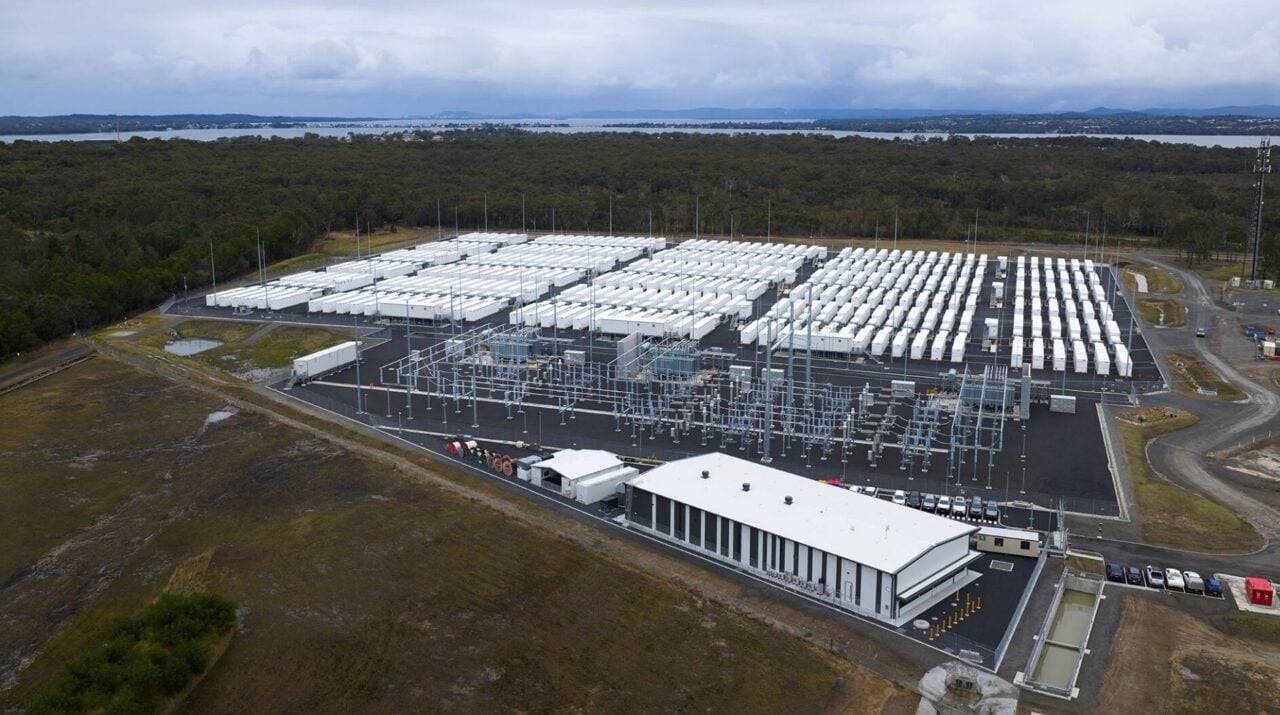
AEMO's Australia energy storage target architecture deliberately segments storage into two functional tiers. The 35GW of short and medium-duration storage (4-12 hour discharge) is designed for intra-day firming—smoothing solar generation ramps during evening peaks, absorbing midday solar oversupply, and providing the fast frequency response that inverter-based renewable generation requires for grid stability. The 5GW of long-duration storage—primarily pumped hydro and existing hydropower assets—serves a fundamentally different function: seasonal reliability, ensuring that the grid can survive multi-day periods of low wind and solar output that 4-hour batteries cannot bridge. This two-tier architecture reflects the operational reality that no single storage duration can cost-effectively serve both intra-day and multi-day reliability needs.
45GW in the Queue: Supply Exceeds Target, But Conversion Is the Problem
Perhaps the most telling statistic in the ISP is the pipeline data: approximately 45GW of storage projects are already in the NEM connection queue—exceeding the 2050 short and medium-duration target of 35GW. This oversubscription might suggest that the Australia energy storage target will be met easily, but AEMO CEO Daniel Westerman was explicit about the real bottleneck: "The planning work is done—delivery is now the constraint." Historical connection queue conversion rates in the NEM have been low, with many projects securing connection agreements but never reaching financial close due to revenue uncertainty, transmission access challenges, or financing gaps. The ISP's role is therefore not to stimulate more project applications—the queue is already oversubscribed—but to create the market signals and regulatory frameworks that convert applications into operational assets.
The AUD 106 Billion Question: Who Pays?
The ISP's AUD 106 billion investment figure—covering storage, transmission, and generation—raises the inevitable question of cost allocation. AEMO's modeling assumes that competitive market mechanisms, supplemented by the Commonwealth's Capacity Investment Scheme (CIS), will attract private capital for storage investment, while regulated transmission investment will be recovered through network charges. The CIS—which recently awarded 15 projects totaling 4.2GW/16.1GWh in Tender Round 8—provides the revenue underwriting mechanism that converts the ISP's modeled storage requirements into bankable project revenue streams. For international developers and investors tracking the Australia energy storage target opportunity, shop now to discover AGAIC POWER's utility-scale BESS solutions designed for the Australian market's unique grid requirements.
From Coal to Storage: The Retirement Timeline Drives Everything
The ISP's storage targets are not aspirational—they are back-calculated from the retirement dates of Australia's remaining coal-fired generation fleet. With major coal plants including Eraring (2,880MW), Bayswater (2,640MW), and Loy Yang (2,225MW) all scheduled for retirement within the next decade, the Australia energy storage target represents the minimum firming capacity required to maintain reliability as baseload thermal generation exits the system. AEMO's modeling shows that delaying storage deployment—even by a few years relative to the ISP trajectory—would force the NEM to retain coal plants beyond their economic retirement dates, increasing costs for consumers and delaying emissions reductions. The storage buildout timeline is therefore inseparable from the coal retirement timeline, and any political intervention that extends coal plant life automatically reduces the urgency of storage investment—a dynamic that project developers must incorporate into their market entry strategies.
The Global Template: What Other Markets Can Learn from AEMO's ISP
AEMO's ISP represents one of the most detailed and transparent storage planning exercises in the world, offering a template that other markets—from European nations to US states to Asian economies—can adapt to their own grid planning processes. The key innovations include the explicit two-tier duration architecture, the connection between storage targets and coal retirement timelines, the integration of the CIS procurement mechanism with ISP planning targets, and the candid acknowledgment that oversubscribed connection queues do not guarantee delivery. For energy storage companies and investors evaluating global market opportunities, explore our collection of multi-market BESS platforms engineered for diverse grid requirements and regulatory frameworks.
Delivery Is the Bottleneck: Australia's Storage Execution Challenge
With a 45GW project pipeline already exceeding the 35GW 2050 target, Australia's Australia energy storage target faces a paradox: there is more than enough developer interest, but the mechanisms to convert interest into steel in the ground are still evolving. AEMO CEO Daniel Westerman's assessment—"the planning work is done, delivery is now the constraint"—reflects a growing recognition across global energy markets that storage deployment bottlenecks are increasingly about execution capacity (skilled labor, supply chain logistics, grid connection processes, community engagement) rather than policy ambition or developer appetite. For a country that has consistently punched above its weight in renewable energy deployment, solving the storage execution challenge may prove to be the defining infrastructure question of the next decade—and one whose outcome will be watched closely by every market navigating the same transition.